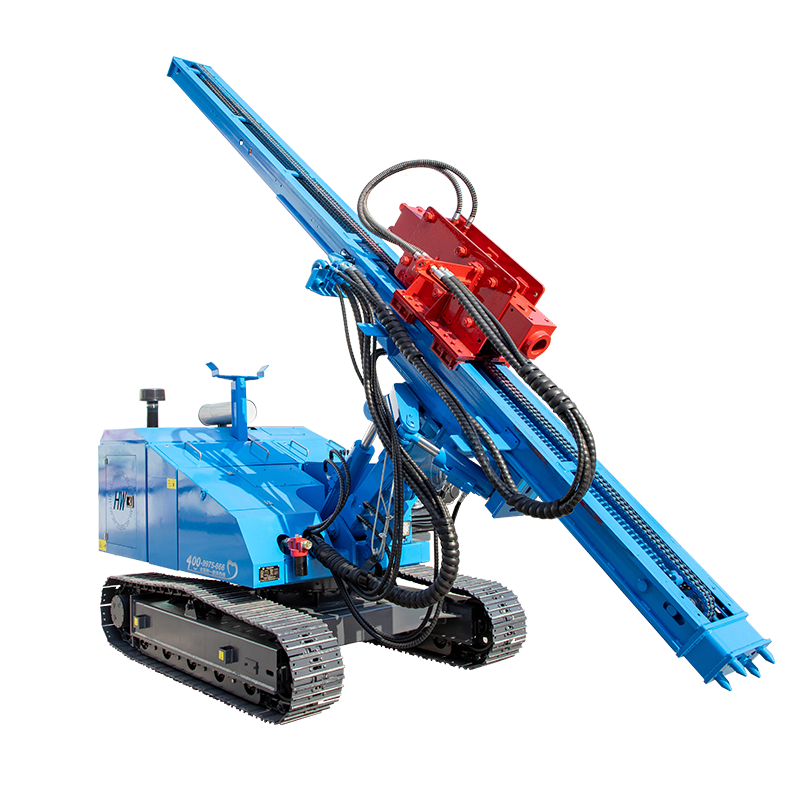
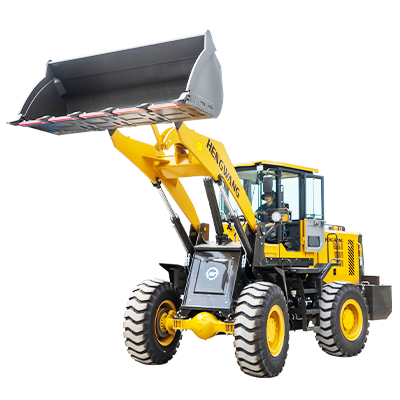
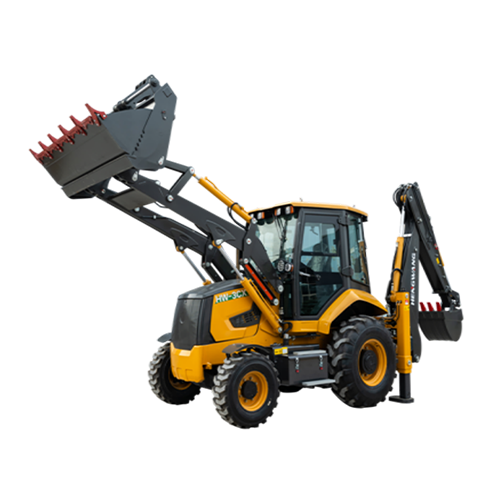
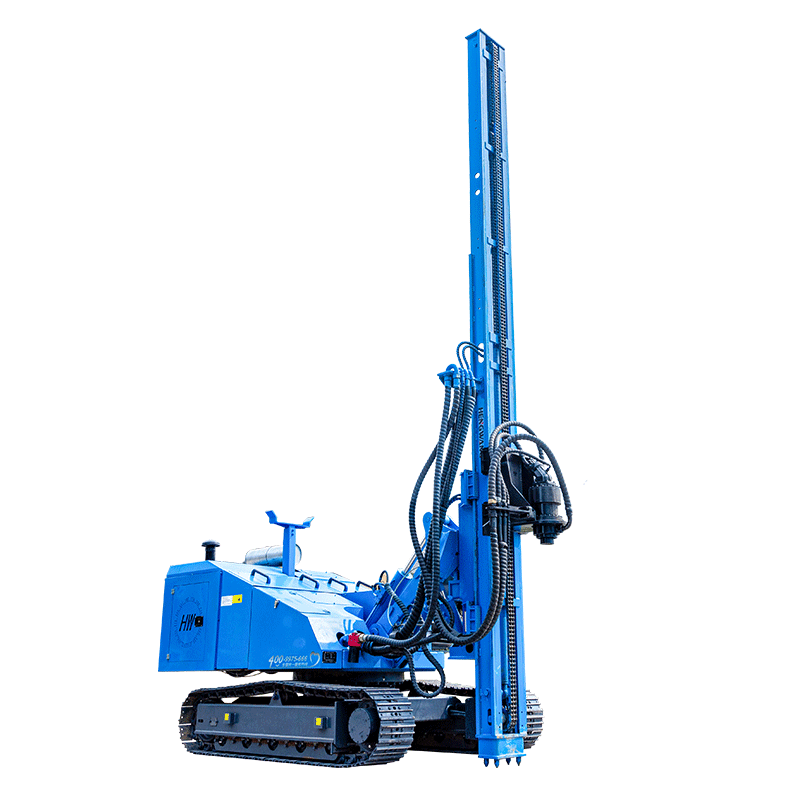
The working hours of wheel excavators are a key indicator for assessing equipment lifespan. What factors affect their effective lifespan, and how to identify critical wear stages? Key insights below:
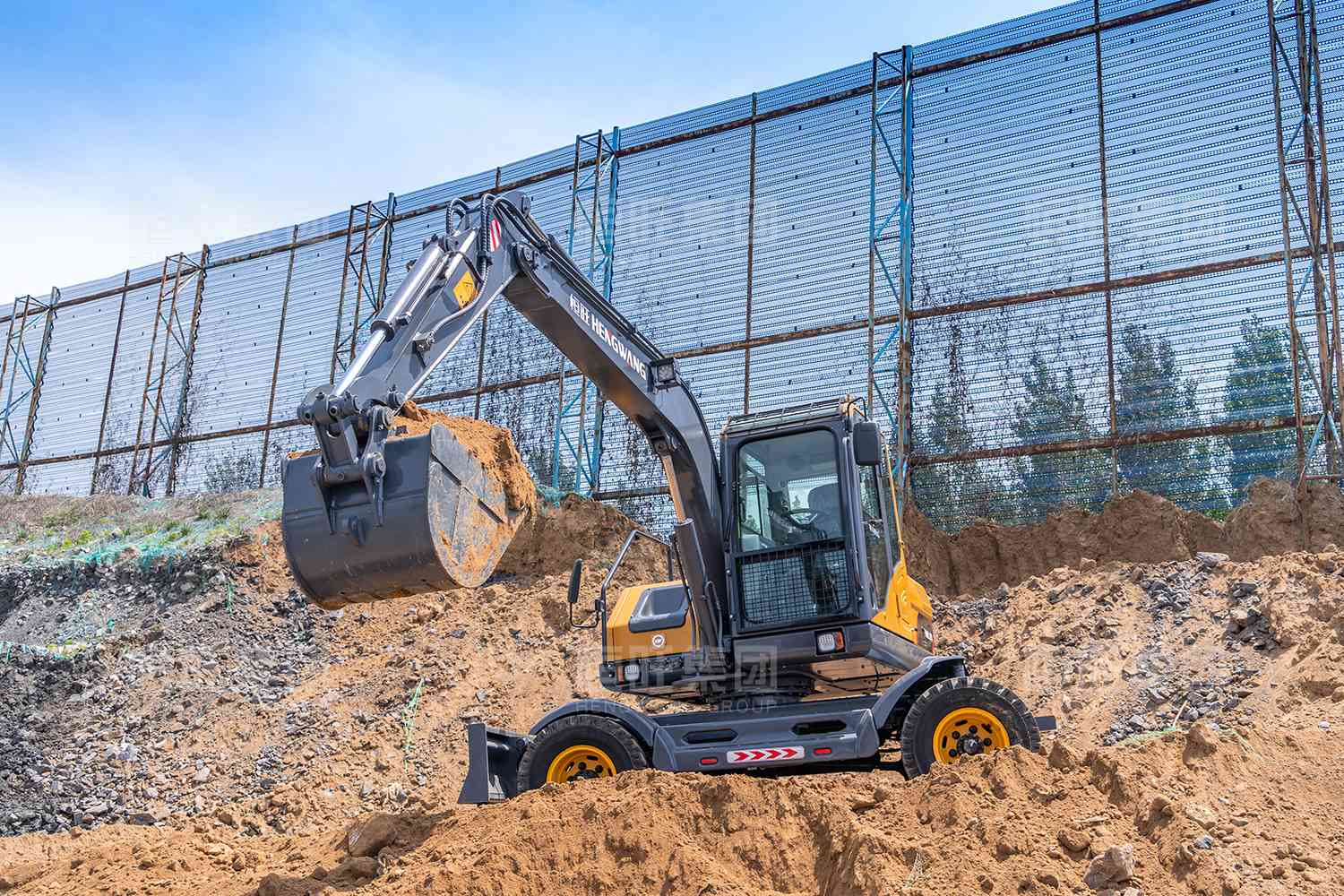
The total effective working hours for wheel excavators typically fall between 5,000–8,000 hours, varying by application:
Light-duty tasks (municipal/greening): Up to 8,000+ hours
Heavy-duty tasks (rock breaking/mountain operations): Approximately 5,000 hours
Operation Intensity
High-frequency vibration (breaker use), excessive digging depth, or steep terrain operations increase hourly wear by 1.5–2x compared to normal conditions.
Maintenance Quality
Neglecting hydraulic oil changes (recommended every 2,000 hours) or bearing lubrication (every 500 hours) accelerates component wear by 30%.
Equipment Quality
Wheel excavators with original factory components (imported engines/forged cylinders) have a 40% longer lifespan than assembled models.
Reduced Power: Unstable engine speed and noticeable digging force decline
Hydraulic Leaks: Persistent oil seepage from cylinders or pipelines
Mobility Issues: Severe tire uneven wear or 4WD system failure
Control Delay: Slow response to joystick commands and uncoordinated movements
Frequent Noises: Periodic abnormal sounds from gearboxes or slewing rings
Scheduled Maintenance: Check hydraulic cleanliness every 1,000 hours; replace engine filters every 2,000 hours
Load Management: Avoid continuous overloading; pause for 20 minutes every 2 hours during breaker operations
Component Replacement: Replace wear parts (track plates/seals) after 5,000 hours to extend usage by 20%
Hydraulic system pressure test (repair if deviation >15% from standard)
Engine cylinder pressure check (replace pistons if single-cylinder decay >20%)
Structural flaw detection (reinforce if weld cracks >2mm deep)
The lifespan threshold of wheel excavators is not absolute—it's a dynamic value influenced by operations, maintenance, and quality. With scientific care and working condition adaptation, some high-quality models can exceed 10,000 hours. Timely professional evaluation near the threshold maximizes residual value and reduces replacement costs.